


Choosing to have breast augmentation involves more than deciding on implant size or shape. Preparing properly for surgery can also make the days afterward feel more organized, comfortable, and manageable.
For patients concerned about downtime, For patients concerned about downtime, Rapid Recovery Breast Augmentation® at Iconic Plastic Surgery employs a specialized surgical method focused on minimizing tissue trauma and blood loss. This approach aims to reduce unnecessary damage to surrounding tissues, which can help patients experience less discomfort and return to everyday activities more quickly compared to traditional techniques. Rapid Recovery Breast Augmentation® at Iconic Plastic Surgery is designed around a surgical technique intended to minimize unnecessary tissue trauma and bleeding. Dr. Gehaan D’Souza uses meticulous cauterization around the muscle and ribs, which the practice explains may reduce postoperative discomfort and help patients return to basic daily activities sooner than with more traditional approaches.

A rapid recovery approach, however, does not mean recovery requires no preparation. Surgery still places demands on the body, and the choices you make before your procedure can help set the stage for a smoother experience.
Here are some of the most important ways to prepare.
Start With a Detailed Breast Augmentation Consultation
A successful breast augmentation begins well before surgery day.
During your consultation, you and your board certified plastic surgeon can discuss your goals, anatomy, suitability, and options for breast surgery, including augmentation mammoplasty, if you are in good general health. Implant size is only one part of that conversation, since breast augmentation is a cosmetic surgical method to enhance breast size and symmetry. Implant type, profile, placement, incision location, and your existing breast tissue can all influence the surgical plan for the patient’s body.
For many women, augmentation may also restore breast volume lost after pregnancy and enhance overall body proportions when that matches their goals.
The FDA recommends discussing implant shape, size, surface, placement, incision location, previous surgeries, and your expectations with your surgeon before proceeding.
This is also an opportunity to determine whether Rapid Recovery Breast Augmentation is appropriate for you. Iconic Plastic Surgery notes that treatment plans are individualized and that certain patients, including women who have significant breast sagging or require revision surgery, may need a different surgical approach.
The goal should not be to fit every patient into the same procedure. It should be to choose the procedure that fits you.
Understand What “Rapid Recovery” Actually Means
The term Rapid Recovery Experience can create the impression that you will walk out of surgery completely healed.
That isn’t what it means.
Rapid recovery refers to techniques intended to reduce surgical trauma and make the early recovery period easier. Iconic Plastic Surgery explains that Dr. D’Souza carefully controls bleeding around the ribs and muscle during surgery, using selective cautery techniques that reduce bleeding, support a faster recovery, and may cause less damage to the surrounding tissue for a lower risk approach with less pain. Many breast augmentation patients can return to basic activities relatively quickly, and many feel close to normal and are back on their feet faster within 24 hours, though individual recovery times vary and full healing still takes several weeks.
Your breasts will still need time to heal, and swelling and soreness still need to be managed as the implants begin to settle.
Iconic notes that swelling and some redness may remain during the early weeks and that the breasts can take several weeks to begin settling into a more natural position.
Think of rapid recovery as a strategy for making the recovery process more manageable—not skipping the healing process entirely, but helping manage pain during the earliest stage of recovery.
Review Your Health and Medications Before Breast Augmentation Surgery
Being open with your surgical team about your health is an important part of preparing for breast augmentation.
Tell your surgeon about prescription medications, over-the-counter medications, supplements, previous surgeries, allergies, medical conditions, and any history of unusual reactions to anesthesia or surgery.
The American Society of Plastic Surgeons notes that patients preparing for breast augmentation may be asked to have blood testing, adjust certain medications, stop smoking, and avoid aspirin or some anti-inflammatory medications that can increase bleeding.
Don’t stop prescription medications or begin new medications on your own. Follow the specific instructions given by your surgeon and medical team.
If You Smoke or Use Nicotine, Discuss It Early
Nicotine deserves special attention before plastic surgery.
Smoking can interfere with the body’s healing process, which is why surgical preparation commonly includes instructions to stop smoking before surgery. Both ASPS and Iconic Plastic Surgery identify smoking cessation as an important part of surgical preparation and recovery.
If you smoke, vape, or use other nicotine-containing products, tell your surgeon during your consultation rather than waiting until surgery is approaching.
Your surgical team can give you specific instructions about when nicotine needs to be discontinued and when it may be safe to resume.
Plan Your Ride and First Night at Home
Even when you are having a Rapid Recovery Breast Augmentation, you should plan for assistance immediately after surgery.
ASPS recommends arranging for someone to drive you to and from outpatient breast augmentation surgery and to stay with you for at least the first night following the procedure. The surgery usually lasts between one and two hours, so having transportation and support ready for the evening is essential. The procedure typically takes one to two hours, which is another reason to have transportation arranged and help available that evening.
Anesthesia may involve general anesthesia or, in some cases, local anesthesia, and it can leave you feeling tired or groggy; anesthesia services, facility charges, and consultation fees may also affect the total cost.
Before surgery, decide who will drive you home and who can be available that evening. If you have children or pets that require lifting or significant physical care, arrange additional help.
A little planning beforehand can remove unnecessary stress from your first day of recovery.
Prepare Your Home Before Surgery
Your recovery space does not need to look like a hospital room.
It simply needs to make your first few days easier.
Place frequently used items somewhere you can reach without excessive stretching. Have comfortable clothing available, preferably tops that are easy to put on and remove, and ask whether your surgeon wants you to have a supportive bra or compression garment ready for support during recovery. Fill prescriptions or obtain any surgeon-approved medications before your procedure so you are not making pharmacy runs afterward.
It can also help to prepare meals, finish laundry, and handle major household errands in advance.
Even if you feel surprisingly good after rapid recovery breast augmentation, that does not mean the first few days should become a test of how much you can accomplish.
Your body still benefits from appropriate rest and gradual activity.
Know What You Can—and Cannot—Do After Surgery
One of the advantages Iconic Plastic Surgery emphasizes with its rapid recovery technique is early mobility.
The practice reports that many patients can resume basic activities within approximately 24 to 48 hours and may be able to shower and lift their arms relatively soon after surgery, but that early movement is different from full healing. Swelling and bruising often peak during the first week and may last for a few weeks. However, heavy lifting and strenuous exercise remain restricted during early healing.
Iconic recommends walking when comfortable but avoiding heavy exercise for approximately two to three weeks or until Dr. D’Souza provides clearance. Light activities can often resume within two weeks, while full recovery and a return to demanding activities may take up to three months depending on clearance.
That distinction is important.
Feeling well enough to make breakfast or go for a short walk is very different from being healed enough for weight training, running, or lifting something heavy.
Follow your surgeon’s instructions even if you feel capable of doing more.
Have Realistic Expectations About Your Early Results
Breast augmentation results evolve.
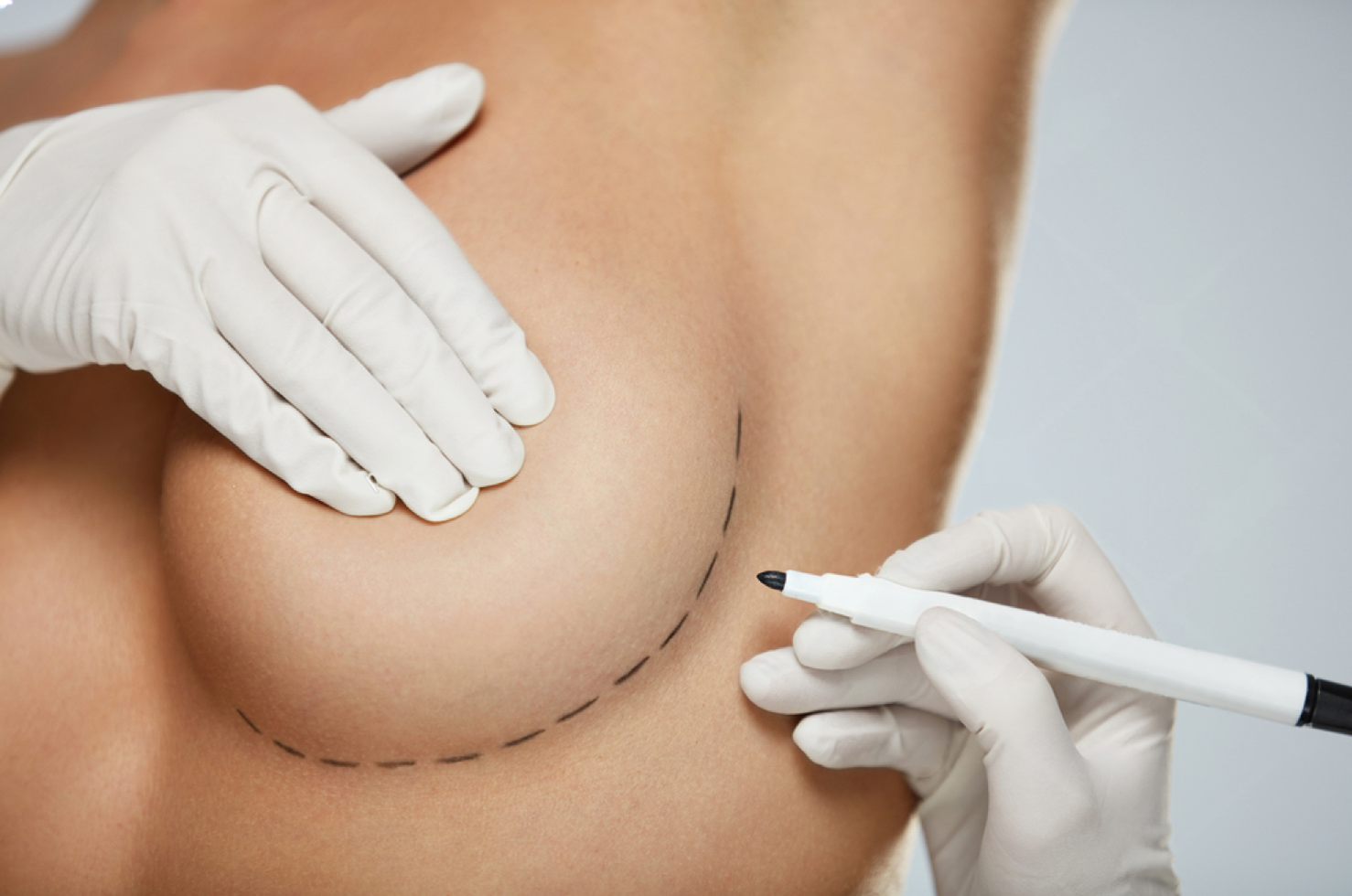
Immediately after surgery, your breasts may appear higher, firmer, or more swollen than you expected. This does not necessarily reflect the final shape, which depends in part on where the surgeon makes the incision and where the plastic surgeon makes the implant pocket along the chest wall.
Surgical incisions are commonly placed in inframammary, periareolar, or transaxillary locations to help limit visible scars.
Implant placement may be submuscular beneath the chest muscles, subglandular above them, or dual plane, and those choices affect coverage, recovery, breast contours, and final contour.
As swelling decreases and the tissues adjust, the implants gradually settle, though some patients may consider fat grafting using their own fat instead of implants, and those with sagging breasts may benefit from a breast lift for the best aesthetic results. Iconic Plastic Surgery notes that this process can take several weeks.
Try not to analyze every small difference during the first few days.
Your breasts are healing, and minor differences in swelling can temporarily make one side look different from the other. Follow-up appointments allow your surgeon to evaluate how everything is progressing.

Understand Breast Implants Safety Before Surgery
Preparing for breast augmentation also means making an informed decision about implants themselves.
Breast implants are medical devices, and they are not considered lifetime devices. The FDA notes that patients may require additional surgery in the future and identifies potential complications including capsular contracture, infection, breast pain, changes in breast sensation, breast implant rupture, and the small but important risk of BIA-ALCL lymphoma associated with some silicone breast implants. Capsular contracture involves tightening of scar tissue around the implant, affects about 6 to 7% of patients, and rupture rates can reach about 10% by ten years. Breast implants are not lifetime devices, may need replacement within 10 to 15 years, and roughly 20% of women may undergo breast implant removal by ten years. In some patients, systemic symptoms may improve after implant removal. Saline implants are filled with sterile saltwater, or saline solution, after insertion, while silicone implants are pre-filled with cohesive silicone gel; gummy-bear implants are shape-stable even if damaged. Implants may have smooth or textured surfaces, and silicone gel implants were first used in 1962 while the first saline breast prosthesis was introduced in 1964.
The FDA requires patients considering breast implants to receive specific risk information and have the opportunity to review and sign a patient decision checklist before surgery.
Understanding these considerations does not take away from the benefits of breast augmentation. It helps you make the decision with realistic expectations about both recovery and long-term implant care.
Follow Your Postoperative Instructions
Perhaps the simplest preparation tip is also the most important: plan to follow the instructions your surgical team gives you.
Generic online recovery timelines cannot account for your anatomy, implant placement, surgical technique, or individual healing response.
Attend scheduled follow-up appointments, use only medications approved by your surgical team, avoid restricted activities, and contact the practice if something feels unusual.
Rapid recovery techniques can help create a smoother postoperative experience, but your actions after surgery remain an important part of the process.
Rapid Recovery Breast Augmentation at Iconic Plastic Surgery
A successful Rapid Recovery Experience starts before the day of surgery.
Choosing the right surgical plan, understanding your implants, preparing your home, arranging help, following medication and nicotine instructions, and setting realistic expectations can all make the recovery period easier to navigate.
At Iconic Plastic Surgery in Carlsbad, California, Dr. Gehaan D’Souza offers Rapid Recovery Breast Augmentation® using a meticulous surgical approach designed to minimize unnecessary bleeding and tissue trauma. The goal is to help appropriate patients experience breast augmentation with less disruption to their everyday lives while still respecting the healing process, and for many women, a boob job can also improve body image, self-esteem, and satisfaction with sexual functioning.
Schedule a consultation with Iconic Plastic Surgery to discuss your breast augmentation goals, implant options, and whether Rapid Recovery Breast Augmentation is appropriate for you.
