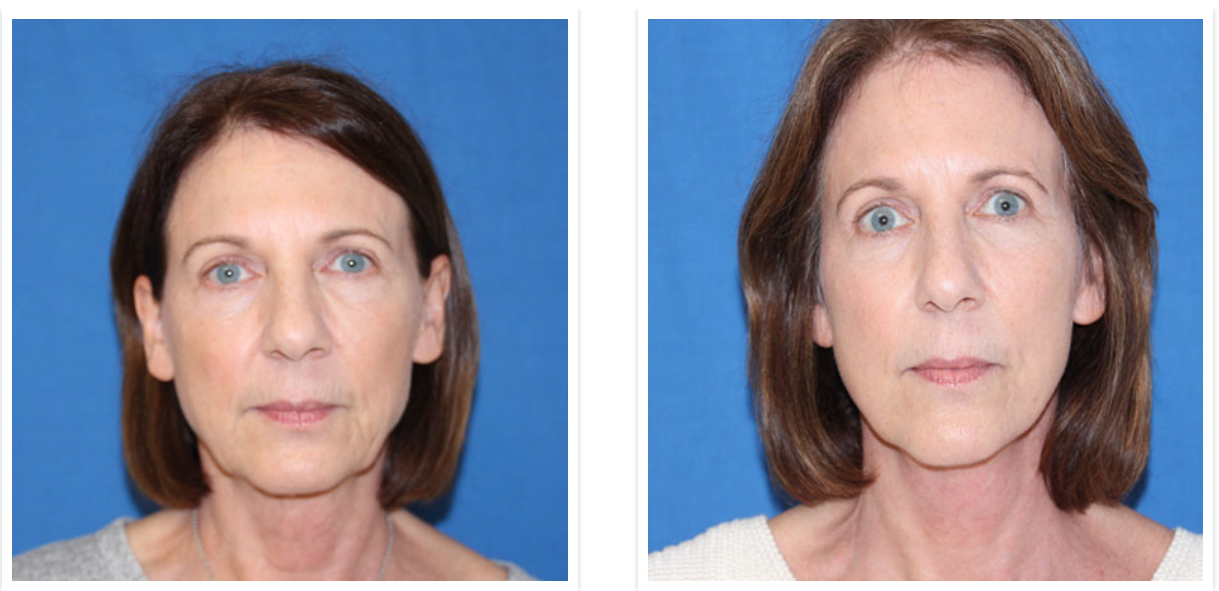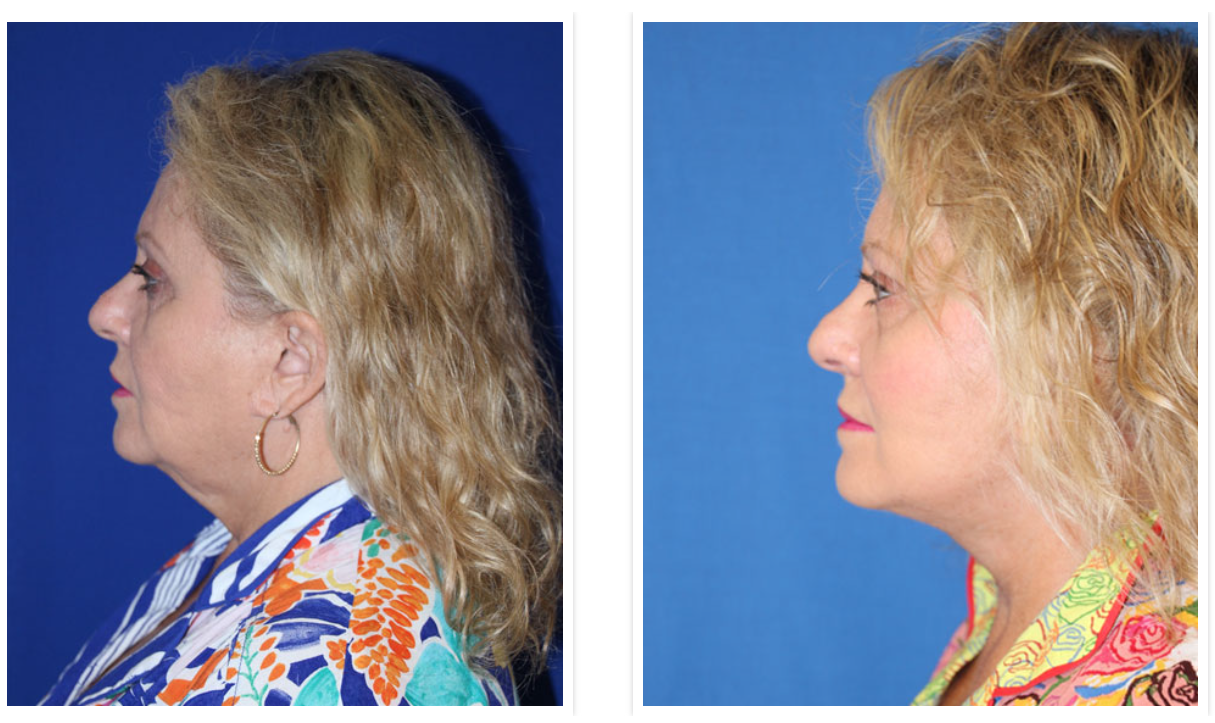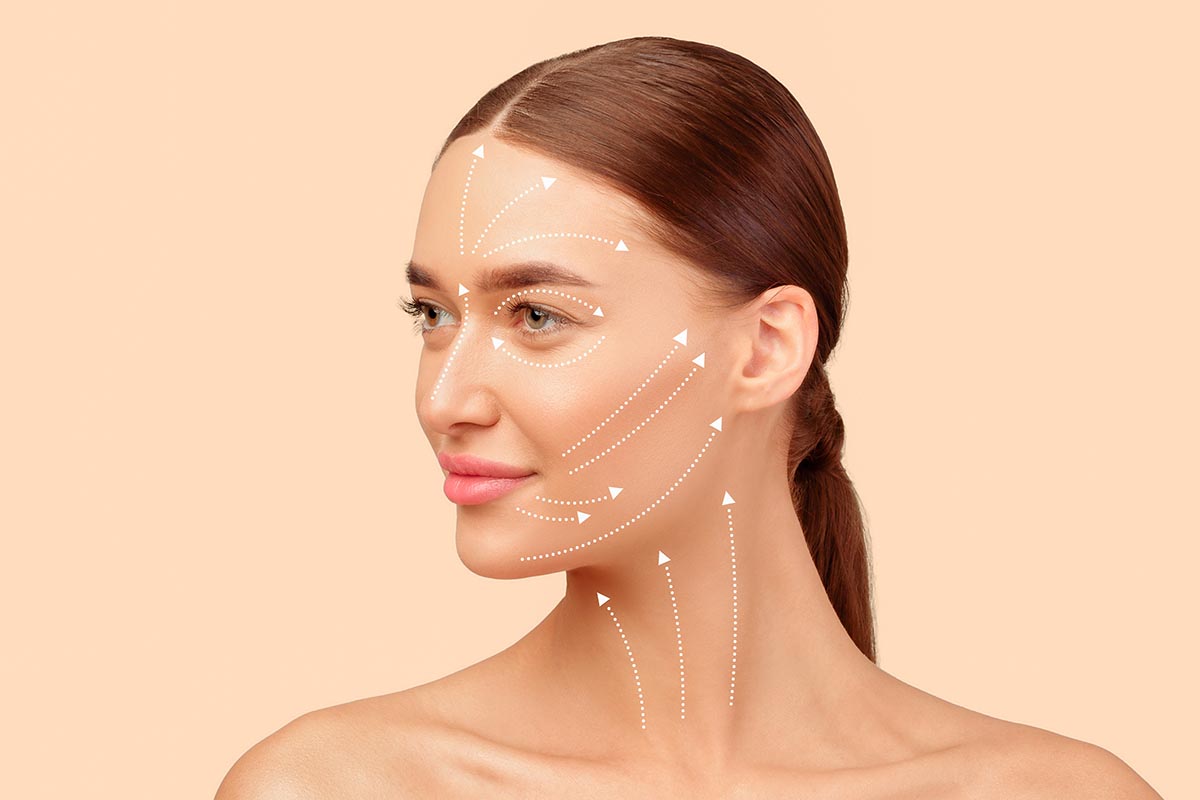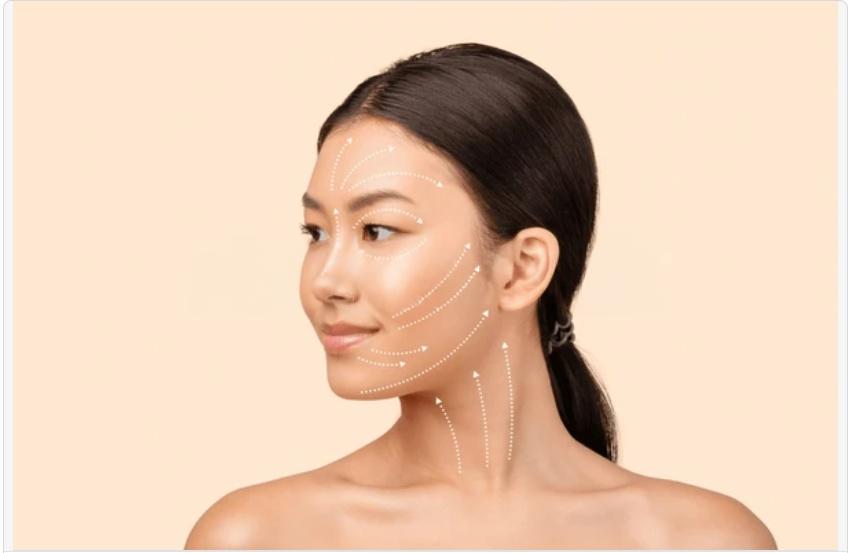


The eyes are one of the most expressive features of the face, revealing not just emotion but also vitality and youthfulness. Over time, however, the skin around the eyes begins to lose its elasticity, leading to sagging lids and puffiness that can make a person appear older or fatigued. This is where blepharoplasty in California has become a transformative option for individuals seeking a refreshed, more youthful appearance. Under the expert care of Dr. D’Souza, this delicate procedure enhances the natural beauty of the eyes while addressing both cosmetic and functional concerns.
Blepharoplasty, also known as eyelid surgery, is more than a cosmetic treatment. It is a refined surgical approach that restores balance and harmony to the face. For many patients, sagging eyelids not only affect their appearance but can also obstruct vision. Through skillful precision and aesthetic artistry, this procedure combines rejuvenation with function, allowing patients to rediscover their bright, well-rested gaze.
How Eyelid Surgery Revitalizes the Eyes
Eyelid surgery refines the appearance and function of both upper and lower eyelids by removing excess skin and fat that cause puffiness or drooping. As the skin ages and loses elasticity, the eyelids become looser and less defined. This procedure restores a smoother, rejuvenated look that enhances facial harmony.
Many patients choose blepharoplasty in California for its ability to deliver youthful yet natural results. The treatment can target the upper eyelids, lower eyelids, or both based on each individual’s needs. For those seeking subtle improvement, dermal fillers or fat grafting in the tear troughs can provide temporary rejuvenation before deciding on surgery.
Upper Blepharoplasty: Restoring Youthful Contours
An upper blepharoplasty primarily targets the drooping of the upper eyelid caused by excess skin and fatty tissue. As the upper lids begin to sag, they can make the eyes appear heavy and tired. This procedure delicately removes the redundant tissue to reveal a smoother, lifted contour that frames the eyes beautifully. Patients often notice that their eyes look more open and alert, giving them a naturally rejuvenated appearance.
Beyond aesthetics, upper eyelid surgery can also serve a functional purpose. In some cases, excess skin may droop so severely that it obstructs vision, making tasks like reading or driving difficult. The incision is discreetly hidden within the natural crease of the eyelid, allowing for optimal camouflage and minimal scarring once healed.
Lower Blepharoplasty: Correcting Puffiness and Under-Eye Bags
A lower blepharoplasty addresses one of the most common concerns among patients, which is puffiness beneath the eyes. Fat deposits that accumulate in this area can cause shadows and swelling that create a perpetually tired look. During this procedure, Dr. D’Souza carefully repositions or removes these fat pockets to restore a smooth and firm lower eyelid contour. In some cases, the skin may also be gently tightened to further refine the appearance.
For patients not ready to commit to surgery, temporary options such as dermal fillers can help rejuvenate the under-eye area. However, eyelid surgery for tired eyes remains the most effective long-term solution for individuals who wish to address both skin laxity and fat repositioning in a single, lasting treatment. The outcome is a more rested, youthful expression that enhances the overall balance of the face.
The Blepharoplasty Procedure: What to Expect
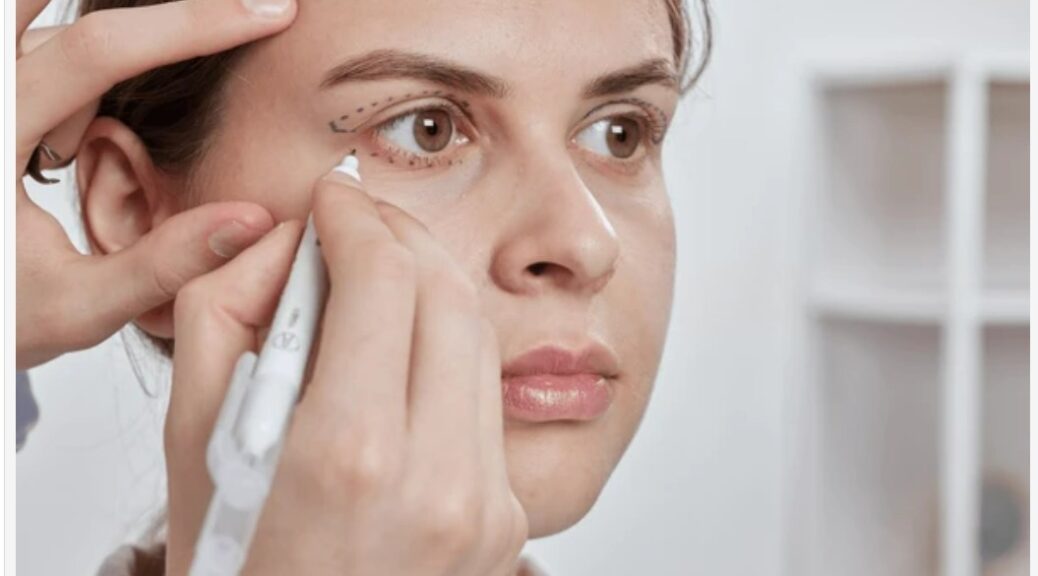
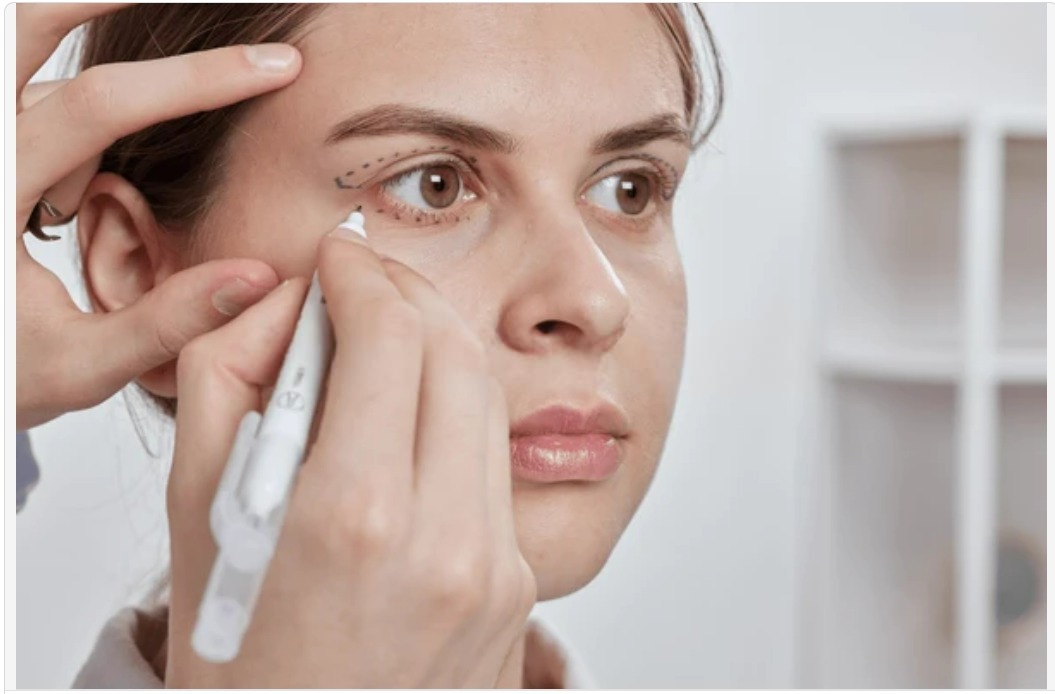
The process of blepharoplasty in California usually takes one to two hours, depending on the level of correction needed. It will be performed by Dr. D’Souza at Iconic Plastic Surgery, and patients are briefed beforehand about incision placement and recovery. The incisions are made along the natural folds of the eyelids to keep them discreet once healed.
During the procedure, excess skin and fat are removed, and the muscles may be refined to achieve smoother contours. The technique focuses on precision and subtlety, creating youthful and natural results. Fine sutures close the incisions to promote faster healing and minimal scarring, allowing most patients to return home the same day with clear aftercare guidance.
Healing and Recovery After Eyelid Surgery
Recovery after eyelid surgery for tired eyes is relatively straightforward. Some mild swelling and bruising are expected during the first few days, which can be managed using cold compresses and prescribed ointments. Discomfort is generally minimal, and most patients feel comfortable resuming light activities within a week. It is important to avoid wearing eye makeup or contact lenses during the early recovery phase to prevent irritation.
As the healing process progresses, patients begin to notice significant improvements in the appearance of their eyes. The refreshed look becomes more apparent over several weeks as swelling subsides completely. Full results are typically visible after a few months, leaving patients with smoother, firmer, and more youthful eyelids. With proper care and healthy habits, the rejuvenating effects of blepharoplasty in California can last for many years, providing lasting confidence and satisfaction.
Long-Term Results and Lasting Benefits
The results of eyelid surgery are designed to be long lasting, often maintaining their impact for several years. Many patients enjoy a youthful appearance that endures well beyond the initial recovery period. In some cases, the improvements are permanent, allowing individuals to benefit from brighter, more defined eyes throughout their lifetime. The surgery not only enhances aesthetics but can also improve vision that was once obstructed by sagging skin.
To maintain results, patients are encouraged to protect their skin from sun exposure and maintain a healthy lifestyle. Routine skincare and occasional non-surgical treatments, such as laser resurfacing or injectable fillers, can help prolong the outcome. Through careful maintenance, the rejuvenated look achieved through eyelid surgery for tired eyes can remain beautifully consistent over time.
Ideal Candidates for Blepharoplasty
The best candidates for eyelid surgery are healthy individuals with realistic expectations and a desire for natural enhancement. Those with drooping eyelids, puffiness, or excess skin around the eyes often see the most benefit. Patients should also have no serious eye conditions or medical issues that may impair healing. During consultation, Dr. D’Souza carefully evaluates each patient’s anatomy and goals to recommend the most suitable treatment plan.
Whether seeking cosmetic rejuvenation or improved vision, blepharoplasty in California offers an effective solution tailored to individual needs. By combining advanced surgical skill with an artistic approach, every patient can achieve results that complement their unique facial features.
Refined Renewal with Natural Confidence
Eyelid surgery represents more than just a cosmetic transformation. It restores self-assurance and allows patients to face the world with renewed vitality. For individuals ready to address sagging lids or puffiness that contribute to a weary appearance, Iconic Plastic Surgery provides a trusted destination for expert care and precision. Under the leadership of Dr. D’Souza, patients receive compassionate guidance and exceptional outcomes that celebrate natural beauty and youthfulness.
Through personalized planning and meticulous technique, blepharoplasty enhances not only how patients look but also how they feel. It is a testament to the artistry of facial rejuvenation and the lasting impact of a skilled surgeon’s touch. With eyelid surgery for tired eyes, patients can once again enjoy eyes that reflect their true energy, confidence, and timeless charm.
If you’re ready to take the next step toward eyelid rejuvenation, contact Iconic Plastic Surgery at 760-691-5717 or reach out through our online contact form to schedule your consultation. We’re here to guide you, answer your questions, and help you rediscover your refreshed look.